Kindergarten is a wonderful year for children. At this age, they are sponges, poised to absorb the knowledge that will carry them throughout their education. At the same time, kindergartners are essentially still little kids who require plenty of play time that will also help them develop essential skills. Find out how you can introduce math activities in their schedule that are both fun and educational.
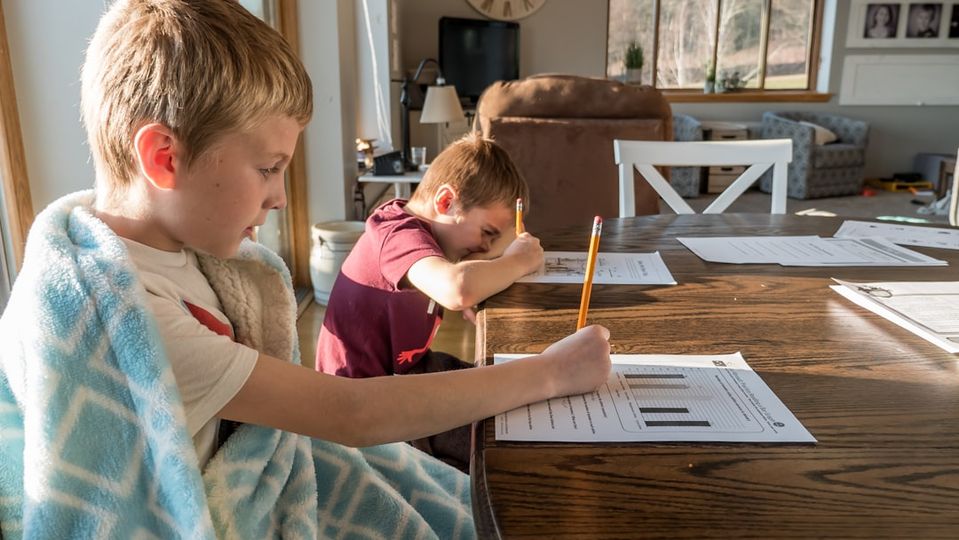
Teaching math to preschoolers can be tricky. Many are not quite at the age in which sitting down and solving complex math problems on worksheets is a viable option. Since they haven’t received much math education yet, parents can’t gauge if they need extra help such as an online tutoring program. Also, there is only so much time in a week that their teachers can devote to math education, especially in half-day kindergarten.
Nevertheless, math can be taught to kindergartners, giving them a good base for when they start learning the more serious stuff. Parents can supplement this learning with math activities at home, including at snack time. Kindergartners are not much different than older students in that they might resist any sort of math activities that seem like work. Snacktime (and there’s another wonderful thing about kindergarten—kids still get snack time!) is a perfect opportunity to teach math skills without your children even knowing they are learning. Here are some math activities for your children when they are snacking:
Count the Carrots!
Put a number of carrots in a bowl or on a plate and ask your little one to count how many there are before he starts eating. This can be played with any food that can be individually eaten (in other words, don’t try it with hummus …); carrots are great for counting smaller numbers; pretzels or grapes are ideal for challenging your child to count into double digits.
Guess the Goldfish!
Fill a small bowl with Goldfish crackers or another applicable snack and have your kindergartner guess how many there are. Then ask your child to count the crackers to see how close her guess was. Math activities that involve estimation, especially at this age, aren’t always looking for right answers, but rather, aim to get kids thinking about numbers and proportions.