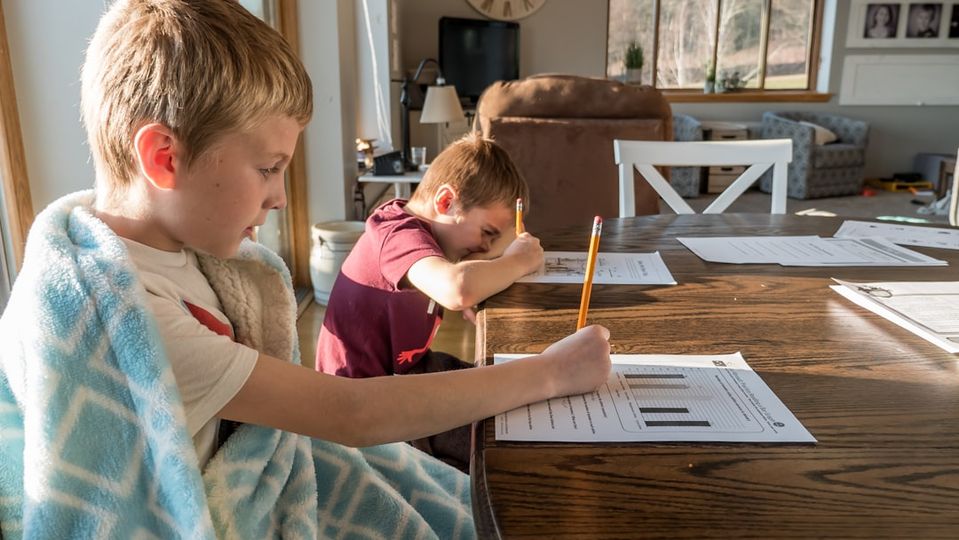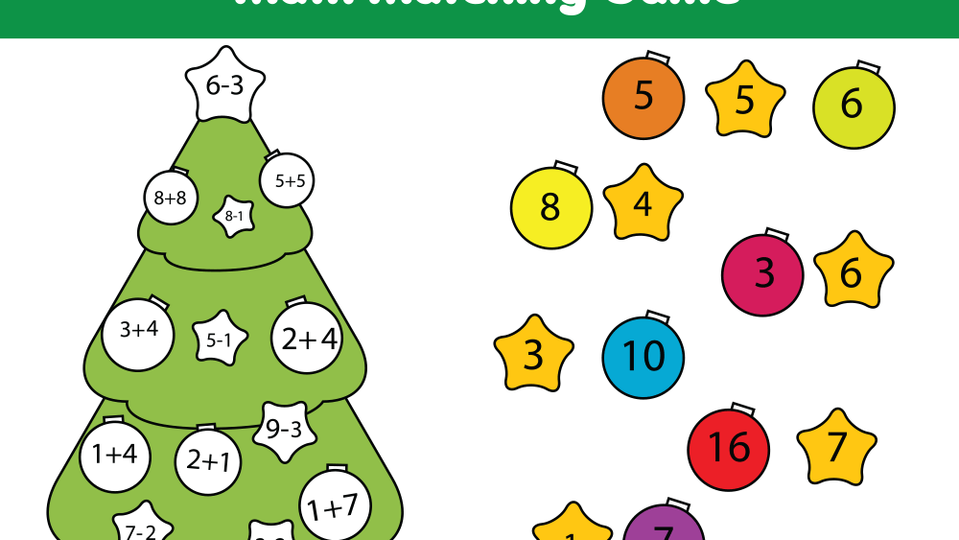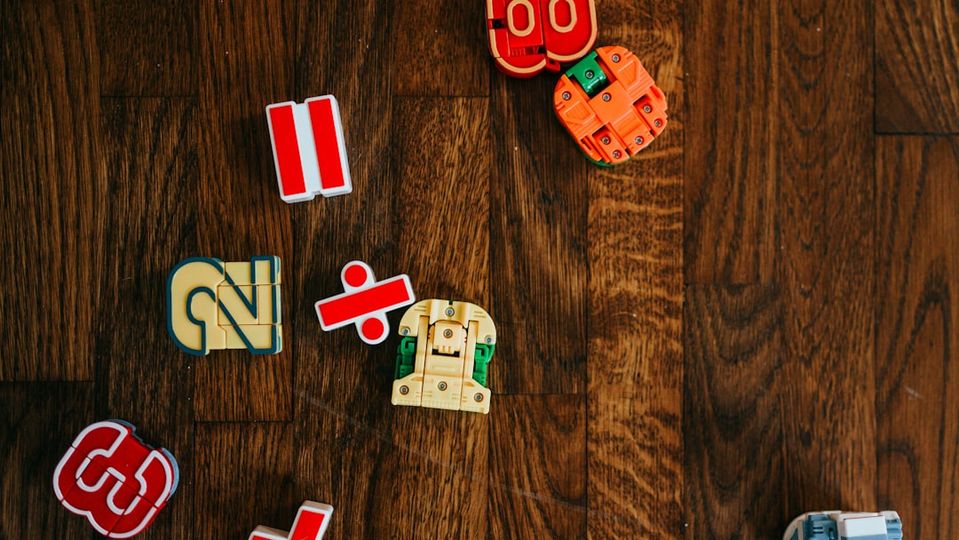
Math is such an important part of your child’s education and daily life, and it’s never too early to find ways to give your student a little extra math help. Whether your student is falling behind or you just want to provide them a little more support so that doesn’t happen, there are lots of reinforcements you can use for your kindergartener.
In fact, you can find everything from traditional math worksheets to math help websites geared toward younger learners. These are some great ways to support your student’s math learning at home while making it fun and giving them a comfortable, safe space to practice their skills without added pressure.
How Much Math Should a Kindergarten Student Know?
Kindergarten is a time for the building blocks of learning, as students prepare to take on more complex concepts, problems, and subjects. Schools vary on what exactly is expected for your student to know at this level, but there are some standard concepts you can work on during this important early year in your child’s education.
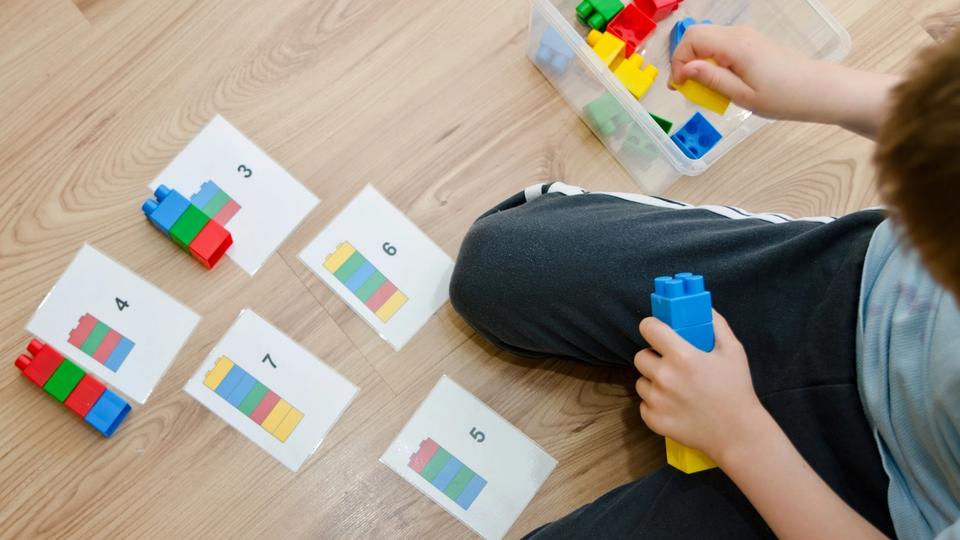
Counting is essential to math, so this is an important first step for any young learner. If your child can already count to 10, they’ll have a great foundation to learn more. In kindergarten, students will learn to count higher than they have previously, often with a goal of getting to 100 by the end of the year. Research for the National Governors Association Center Project on Early Mathematics, for example, found that early knowledge of math strongly predicts later success in other subjects, even into high school, and that problems with math are the best predictor of failing to graduate from high school or college.
Kindergarten students may also begin to learn basic addition and subtraction. They’ll work on understanding what numbers represent and how they can be used to represent quantities.
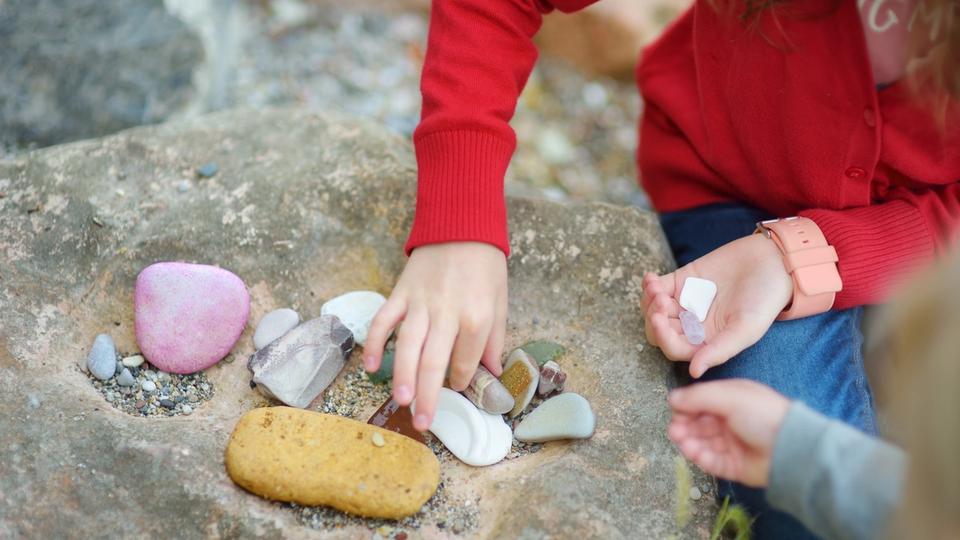
This is a time where they are introduced to spatial thinking and 2D and 3D shapes, as well as concepts of time, measurement, and categorization. They should begin to understand “more than” and “less than” and arrange objects in size order. They also should be able to draw basic math shapes, such as circles, triangles, and squares. The non-profit organization Sesame Workshop has a very interesting website called that provides many tools for parents and kids to use.