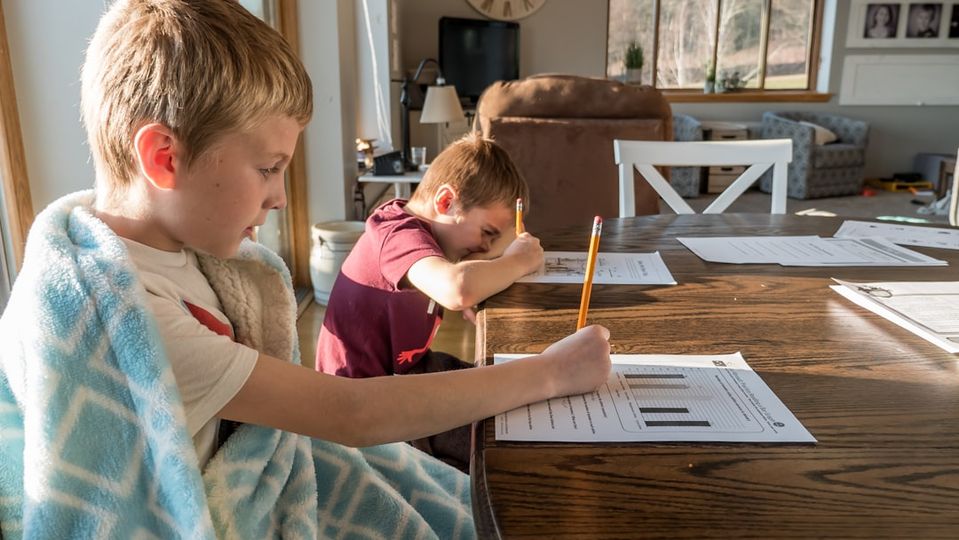
Kindergarten is the start of your child’s school career. As you prepare to send your baby off to school for the first time, it’s important to know what to expect. You may also be wondering if you have prepared them well enough for what they will be doing in school this year. While reading is the primary focus of most kindergarten curriculums, there are some basic math processes and concepts that they will tackle as well. Here’s what you can expect your child to face in kindergarten math class.
Counting and Ordinal Numbers
Spend time in a kindergarten math classroom, and you will spend a lot of time counting. Kindergarteners learn to count, often to 100, and then they learn how to count by skipping numbers, such as counting by 2s or 5s. This gives a valuable understanding of how numbers work, which numbers are bigger or smaller than other numbers and how quantities work.
Students must also be able to count items in a group and pair the number with the group. This basic understanding that the number name said last when counting says how many are in the group seems obvious to adults, but is a major concept for youngsters to learn.
Basic Understanding of Place Value
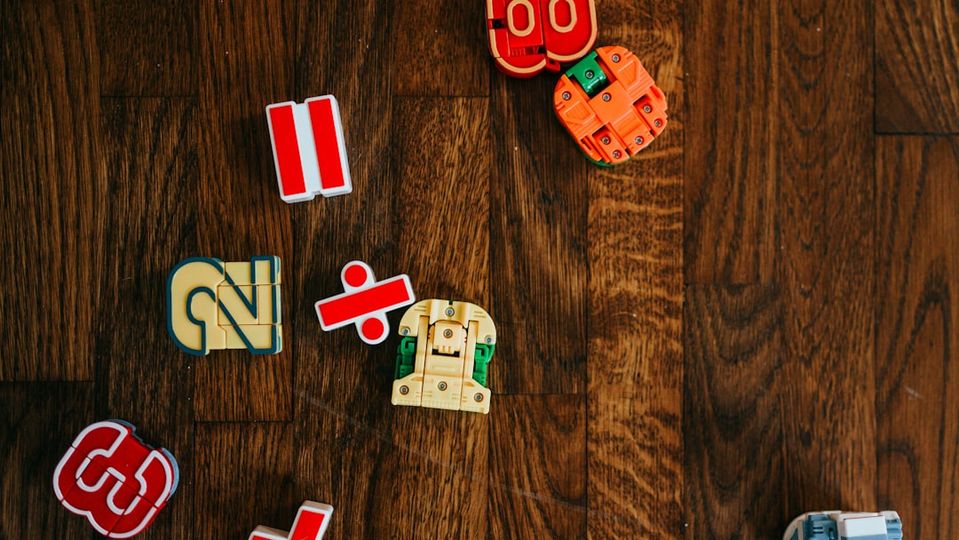
Place value is a concept explored more deeply in first grade, but kindergarteners will begin their exploration of place value. They will need to be able to decompose numbers between 10 and 20 into ten ones and additional ones. Using a manipulative, students will practice with this frequently. They will also begin drawing basic equations. They might introduce basic addition and subtraction facts at the end of kindergarten. Most importantly, the students will work to find combinations that make 10, such as 1 and 9 or 8 and 2. Students will be able to use fingers, objects, and drawings to help them add and solve equations.
Word Problems
Word problems may be introduced in kindergarten math. Students will not be expected to read these problems, but they will be expected to solve them when they are read to them. Again, a manipulative and drawings are often used to make these problems meaningful to kindergarten students.